

03 November 2026 | Tuesday | News
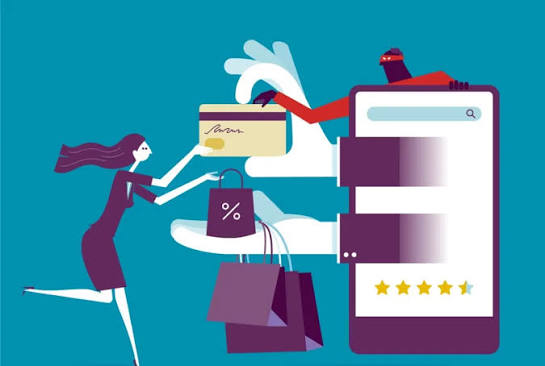
Picture Courtesy | Public Domain
Holiday shoppers are entering the 2026 season under greater financial pressure, and payment flexibility has become one of the clearest ways merchants can win and keep their business, according to a study released by the Electronic Transactions Association (ETA) and TSG (The Strawhecker Group).
The seventh annual Consumer Holiday Spending Study found that 44% of consumers feel more financially stressed than last year, up from 27% in 2025. Thirty percent report more debt than two years ago, up from 17%, and 33% say they usually take on holiday debt or likely will this year, up from 19%. Concern rose across all eight shopping issues measured by the study, led by inflation (82%). Concern about the affordability of gifts (64%) and managing a budget (57%) each rose 17 percentage points.
Consumers are responding by planning their spending more carefully. Seventy-two percent plan to set a holiday budget this year, and only 23% will shop without one, down from 40% in 2025. Seventy-three percent plan to spend less than $1,000 on holiday purchases. Spending plans are more polarized than last year: 22% expect to spend more, up from 18%, while 32% expect to spend less. This points to a competitive season in which consumers continue to spend but are selective about where those dollars go.
"Consumers are being careful with every dollar this year, and they are paying close attention to how they pay," said Jodie Kelley, CEO of the Electronic Transactions Association. "Merchants that offer the payment options their customers rely on, with clear terms and strong security, are in the best position to win the sale and keep the customer. The payments industry is helping businesses of every size do exactly that."
The study of 1,099 U.S. consumers, conducted September 8–13, 2026, found that payment acceptance directly affects where consumers shop. When a merchant does not accept a shopper's preferred payment method, 24% of consumers would look for the same product at another merchant, and 7% would abandon or postpone the purchase. Another 26% would complete the transaction using a different method but would be less likely to return. In total, 57% report a negative consequence for the merchant.
Newer payment methods are becoming routine. Eighty-one percent of consumers use tap-to-pay regularly, and 89% of those who try it continue using it. Digital wallets and peer-to-peer (P2P) apps also see strong repeat usage, at 61% and 60%, respectively.
"Rising stress and debt make payment flexibility more appealing, and they make transparency and responsible financing more important," said Mike Strawhecker, President of TSG. "Consumers are telling merchants that value and checkout flexibility matter more than speed. The merchants that deliver both will be best positioned this season."
The study also found:





Fintech Business Asia, a business of FinTech Business Review
© 2026 FinTech Business Review. All Rights Reserved.