
07 April 2026 | Tuesday | News

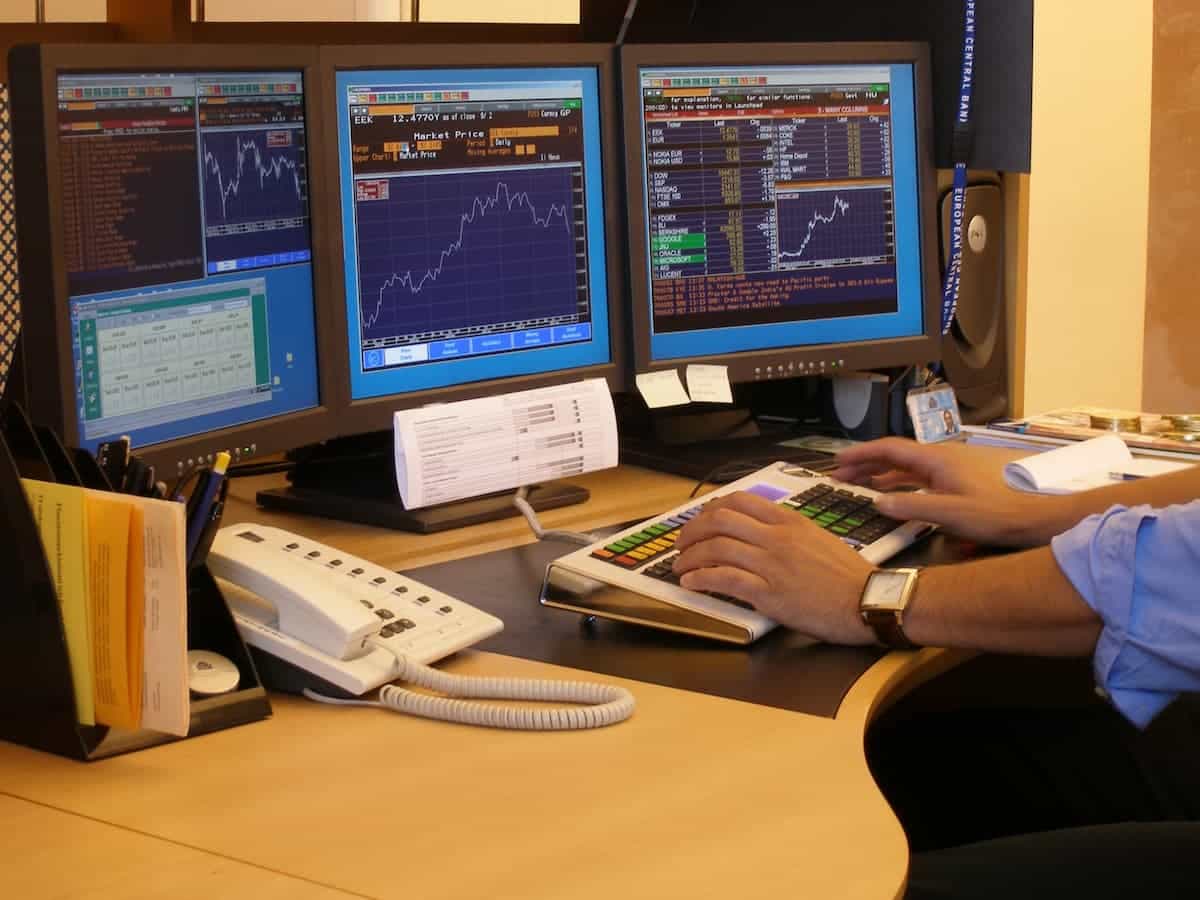
Picture Courtesy | Public Domain
As financial systems continue to evolve, a growing number of market participants are exploring alternatives to traditional chart-based trading. TruTrade is among a small number of companies advancing this shift by developing an AI-driven execution framework designed to operate without manual chart analysis.
For decades, trading has largely relied on chart interpretation, pattern recognition, and continuous monitoring of price movements. While widely adopted, these methods often require constant attention and can introduce complexity for many participants. In contrast, emerging approaches are beginning to prioritize structured automation over manual decision-making.
TruTrade's system is built around predefined execution logic, allowing trades to be carried out through an automated framework rather than real-time chart analysis. Unlike conventional tools that still rely on visual chart inputs, TruTrade's approach is designed to function independently of chart-based decision-making, reflecting a distinct shift in how execution systems can be structured.
"Traditional trading often depends on interpretation and reaction," said Danny Rebello, Co-Founder of TruTrade. "Our focus has been on building systems that replace that process with structured execution, where decisions are driven by logic rather than emotion."
The platform also supports multi-system deployment, enabling users to operate several strategies across multiple accounts simultaneously. This reflects a broader industry movement toward portfolio-level execution, where trading activity is distributed rather than concentrated in a single strategy or setup.
While automation in trading is not new, fully chart-independent execution frameworks remain relatively uncommon. As a result, systems designed around chartless architecture represent a differentiated approach within the broader financial technology landscape.
By removing chart dependency, this model may also lower the barrier to entry for individuals unfamiliar with technical analysis, while supporting a more consistent, rules-based method of participation. The emphasis on automation, scalability, and system design aligns with a growing preference for simplified, structured engagement with financial markets.
As innovation continues to shape how individuals interact with financial systems, chartless trading frameworks are expected to play an increasingly visible role. Companies like TruTrade are helping define this category by focusing on automation, consistency, and a departure from traditional chart-based execution.





Fintech Business Asia, a business of FinTech Business Review
© 2026 FinTech Business Review. All Rights Reserved.